Case Studies · C
High Depth-to-Diameter Cavity
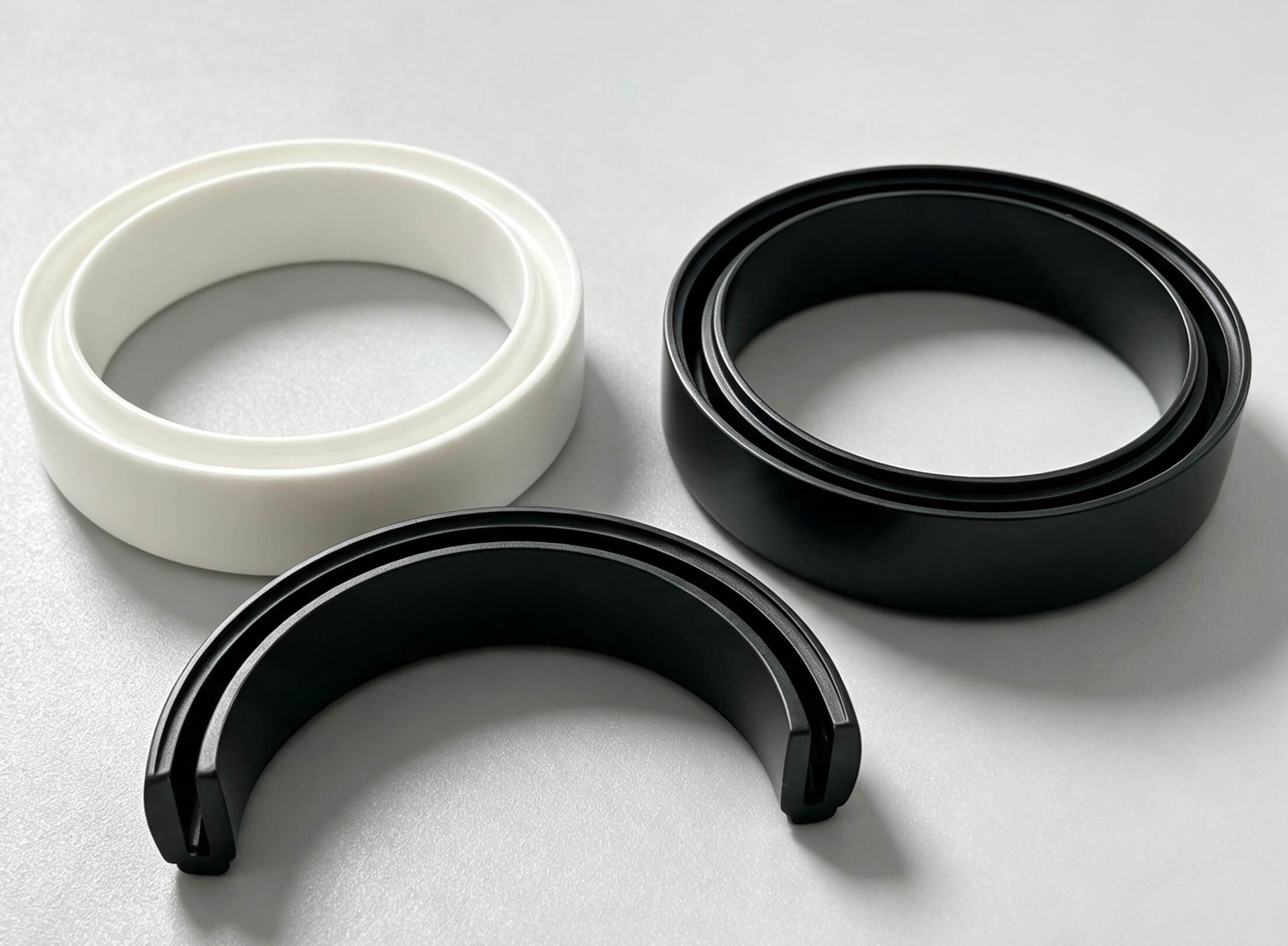
Difficulty: an internal cavity at roughly 5.2:1 depth-to-diameter demands a great deal from core design and demolding. This ratio describes an open internal cavity with a removable core, not the blind-hole or through-hole ratio limits in the DFM guide. Thermal expansion/contraction during injection means a deep cavity is prone to sticking in the mold; anisotropic sintering shrinkage can slightly distort the cavity geometry, and core-pull stress may damage the green body.
Solution: gate layout and cavity venting designed up front for balanced fill; tight control of green-body density distribution (reducing directional shrinkage variance), paired with optimized core design and a slightly larger draft angle to lower demolding stress concentration, achieving both internal-wall finish and dimensional accuracy.